Curious minds enjoy gifts that turn questions into something they can see, build, or explore. These six ideas include hands-on science activities and a few practical companions for learning and making.
6 Birthday Gift Ideas for Science Lovers
Light-Up Crystal Growing Kit for Kids

- Grow red, blue, and clear crystals, then display them on the included light-up stand.
- An illustrated guide explains how crystals form.
- The kit includes three growing cups and three crystal starter pieces.
Best Gift For: A young science enthusiast who would enjoy growing and displaying crystals.

TOMLOV DM9B 7-Inch Digital Microscope
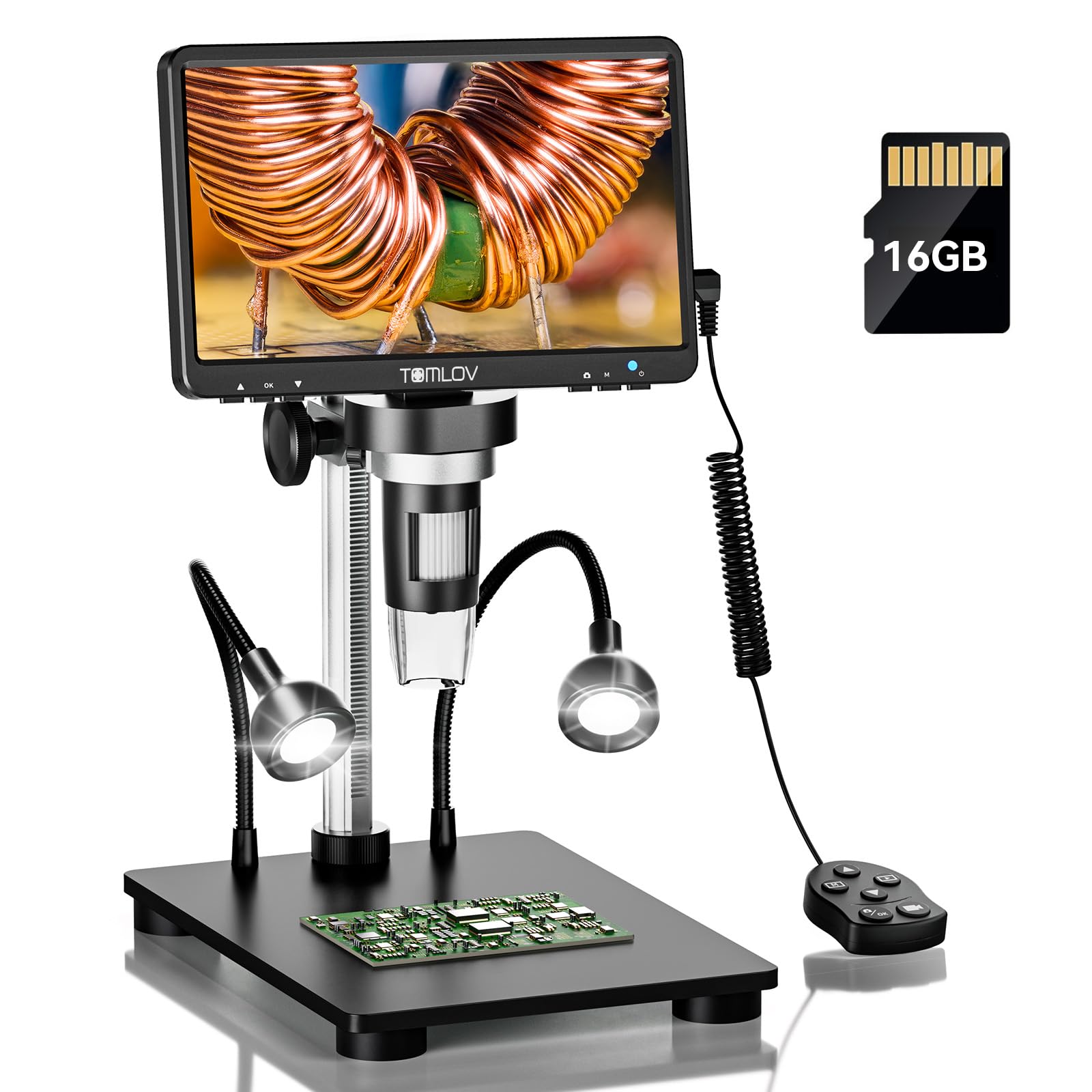
- The rotatable screen makes it easier to adjust the viewing angle.
- Use the microscope with a compatible Windows or macOS computer for a larger view.
- Save photos and videos to the included Micro SD card.
Best Gift For: An adult or student curious about examining coins, rocks, stamps, or small electronics.
burgkidz 135-Piece Animal Building Blocks
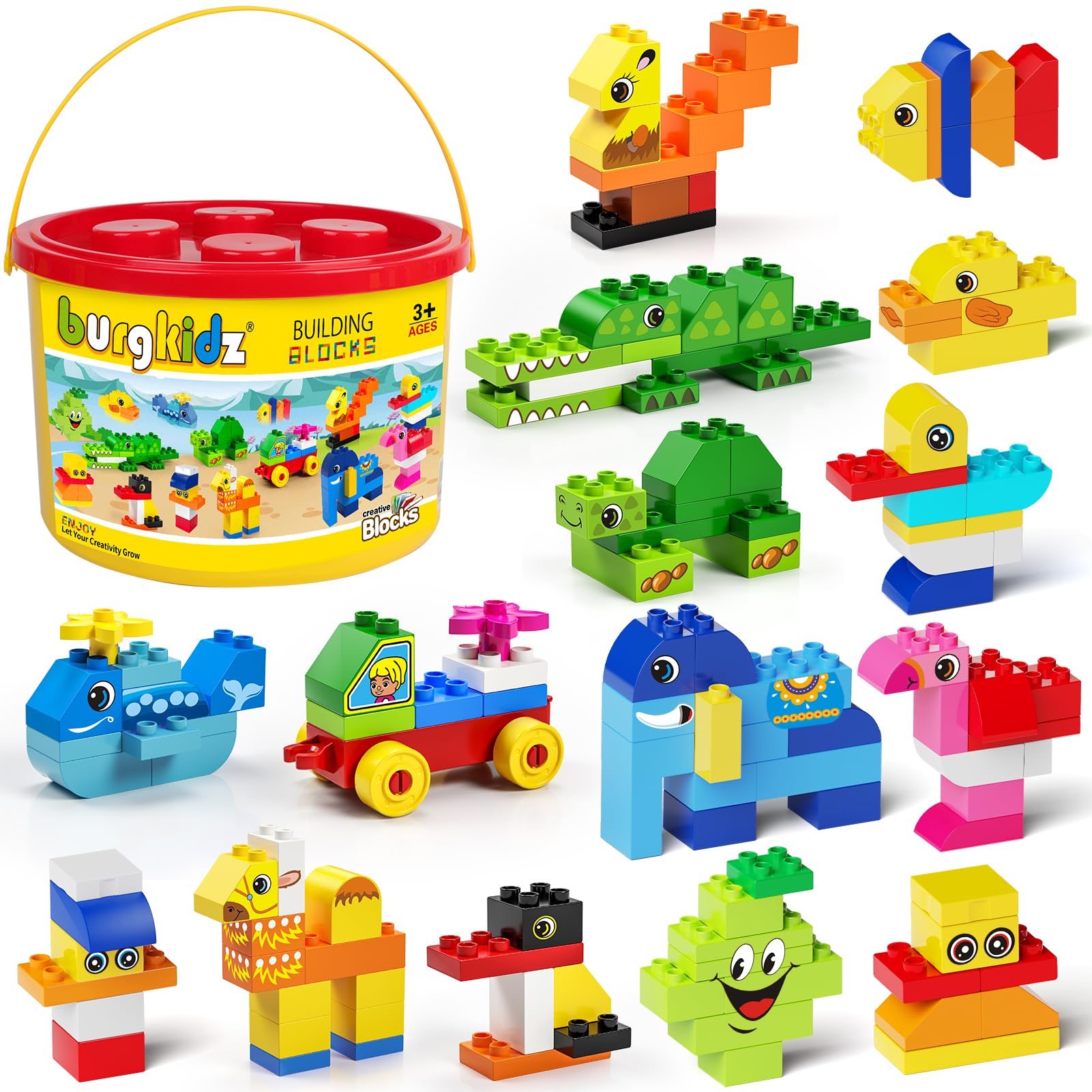
- Build animal figures using the included step-by-step guide.
- The pieces pack away in a bucket with a carry handle.
- The set is designed for children ages 3 and up.
Best Gift For: A preschool-age child who likes building animals and making up stories around them.
SmartMax My First Dinosaurs Magnetic Building Set
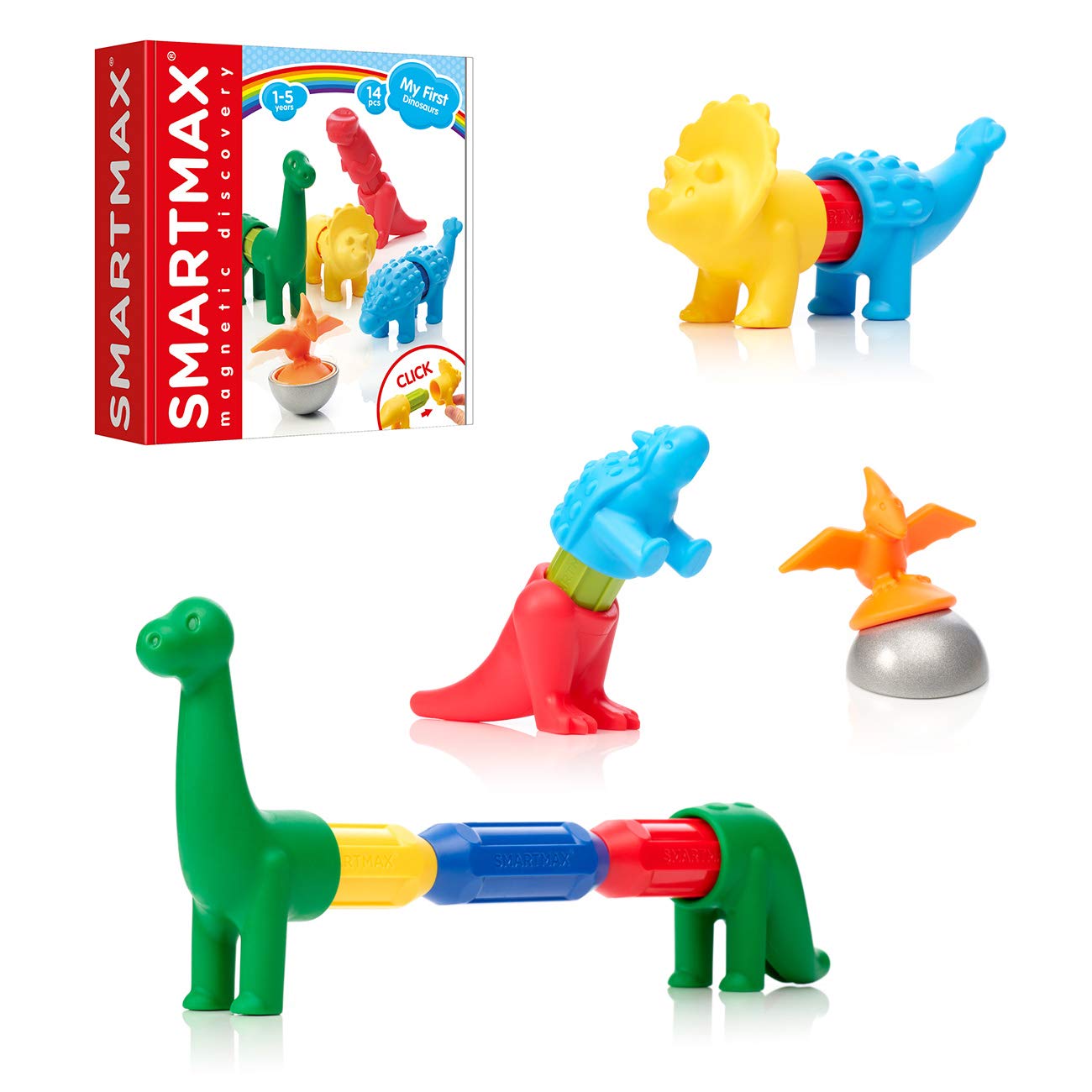
- Build familiar dinosaurs or mix and match pieces for new creations.
- The set contains 18 colorful pieces sized for little hands.
- SmartMax sets can be combined to expand building play.
Best Gift For: A young dinosaur fan ready for playful building and early STEM concepts.
Memoking T02 Portable Sticker Printer, 6-Roll Set
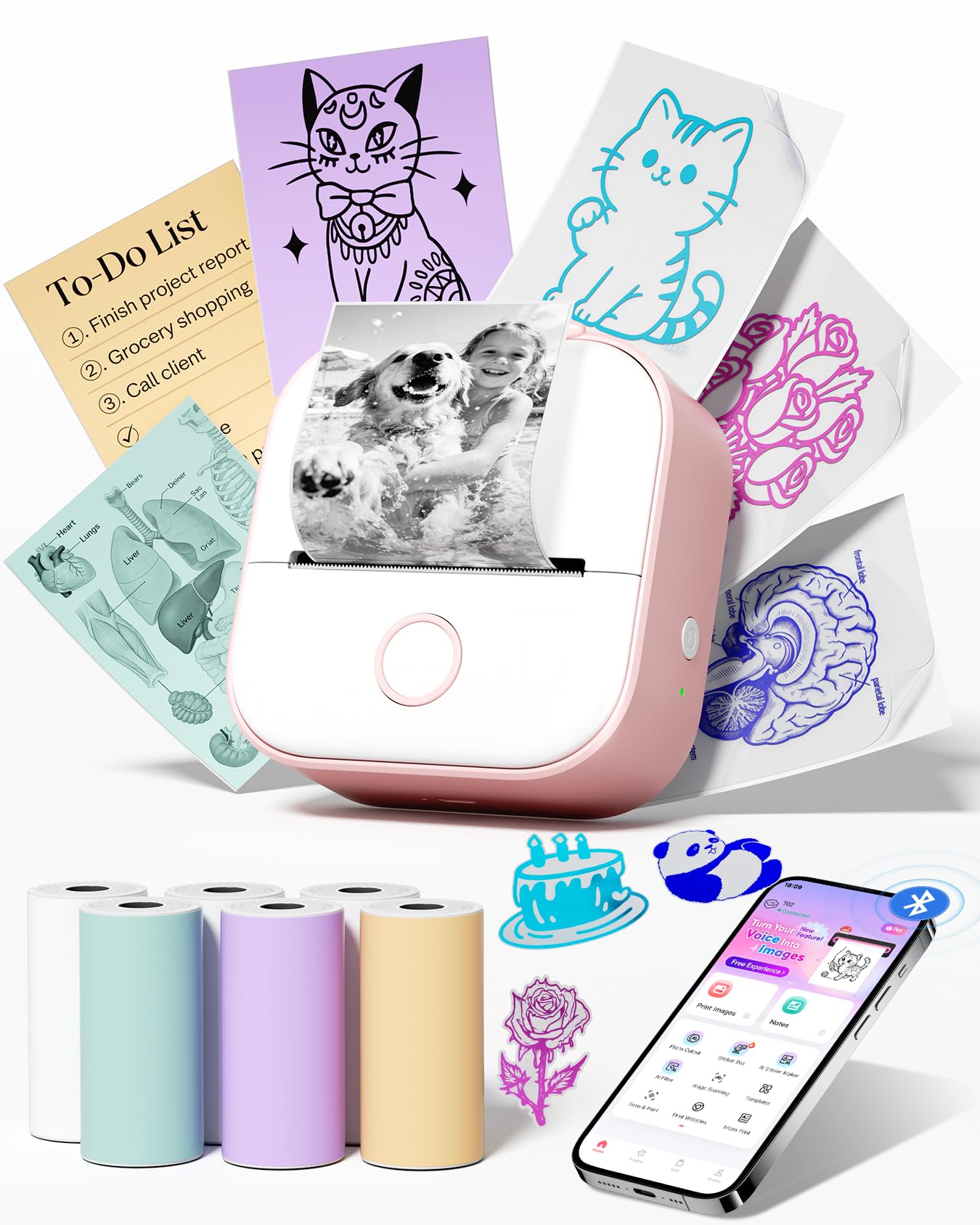
- The included app offers fonts, filter effects, and themes for printed projects.
- Connect the printer to a compatible iOS or Android device over Bluetooth.
- The set includes six rolls of thermal paper.
Best Gift For: A student who enjoys organizing study notes and making custom labels or diagrams.
Glocusent Rechargeable Neck Reading Light

- Choose from three color modes and six brightness settings.
- Adjust the bendable arms to find a comfortable light angle.
- The rechargeable light offers up to 80 hours of use for general reading with one head.
Best Gift For: A book-loving science enthusiast who reads at night or wants hands-free light for study.
1. Match birthday gifts for science lovers to how they explore
When choosing birthday gifts for science lovers, start with the kind of curiosity they already show. A child who asks how crystals form may like an activity with a visible result, while a budding naturalist may be happier examining tiny details or assembling dinosaurs.
The gift feels more personal when it connects to a question they return to.
Age and independence matter, too. For younger children, look for activities they can handle with an adult nearby and enjoy together.
Older students may appreciate a tool that fits into an existing interest, such as looking closely at coins or making study materials. If you are unsure, ask a caregiver which activities and materials are a good match.
2. Balance the budget with the full gift
A lower-cost choice can still feel thoughtful when it gives someone a clear activity to enjoy. Building sets and reading accessories can make sense for a modest budget, while a digital microscope or printer may be a larger shared gift from several relatives.
Consider how often the recipient is likely to use it, not just how impressive it looks when unwrapped.
Check what is included and what else may be needed before deciding. For electronic tools, review device compatibility and any separately needed supplies; for hands-on kits, consider whether an adult will need to help with setup.
Compare current prices and dimensions before buying, and leave room in the budget for materials that support the recipient's interests.
3. Add a personal touch to birthday gifts for science lovers
For birthday gifts for science lovers, a small personal note can turn a useful object into an invitation to explore. Pair a building activity with a handwritten challenge, suggest a first specimen or object to inspect with a microscope, or add a notebook for recording questions and observations.
Keep the prompt suited to the recipient's age and interests.
Presentation can set up an enjoyable first use. Put smaller pieces in a gift bag with a simple card explaining why you chose it, or wrap a reading accessory with the book the recipient is currently enjoying.
If the gift is for a child, you can offer to be the first experiment partner or help organize the pieces afterward.
4. Choose a gift they can return to
A good science-themed gift can support more than one afternoon of discovery. Look for room to experiment, remix, observe, or personalize: repeatable activities and open-ended building can stay interesting as a recipient's questions change.
Practical tools may also suit someone who already has a hobby or study routine, so the gift has a natural place in their day.
Consider where the gift will be used and stored. A family with limited space may value something that packs away neatly, while a student might prefer an item that fits on a desk or can be carried between study spots.
Think about noise, cleanup, and whether the recipient has help available when a project takes patience.
5. Plan the purchase and first use
Before ordering, check the current product details, measurements, device compatibility, and delivery estimate for your address. If you are buying birthday gifts for science lovers close to the celebration, choose a backup presentation plan, such as a card describing the gift, in case the parcel arrives later than hoped.
Avoid relying on assumptions about shipping dates.
For a smoother handoff, confirm that the recipient's caregiver is comfortable with the activity and any setup it involves. Keep gift receipts and packaging until the gift is opened, and make time for a first look together if the recipient would enjoy company.
A little planning helps the present lead directly into a satisfying moment of discovery.