For someone tracing family stories, a thoughtful gift can make research sessions more comfortable and help keep discoveries close at hand.
These 11 ideas include practical desk accessories and ways to organize, print, and preserve family memories.
11 Gift Ideas for Genealogy Enthusiasts
Clever Fox Dotted Journal 2.0 A5
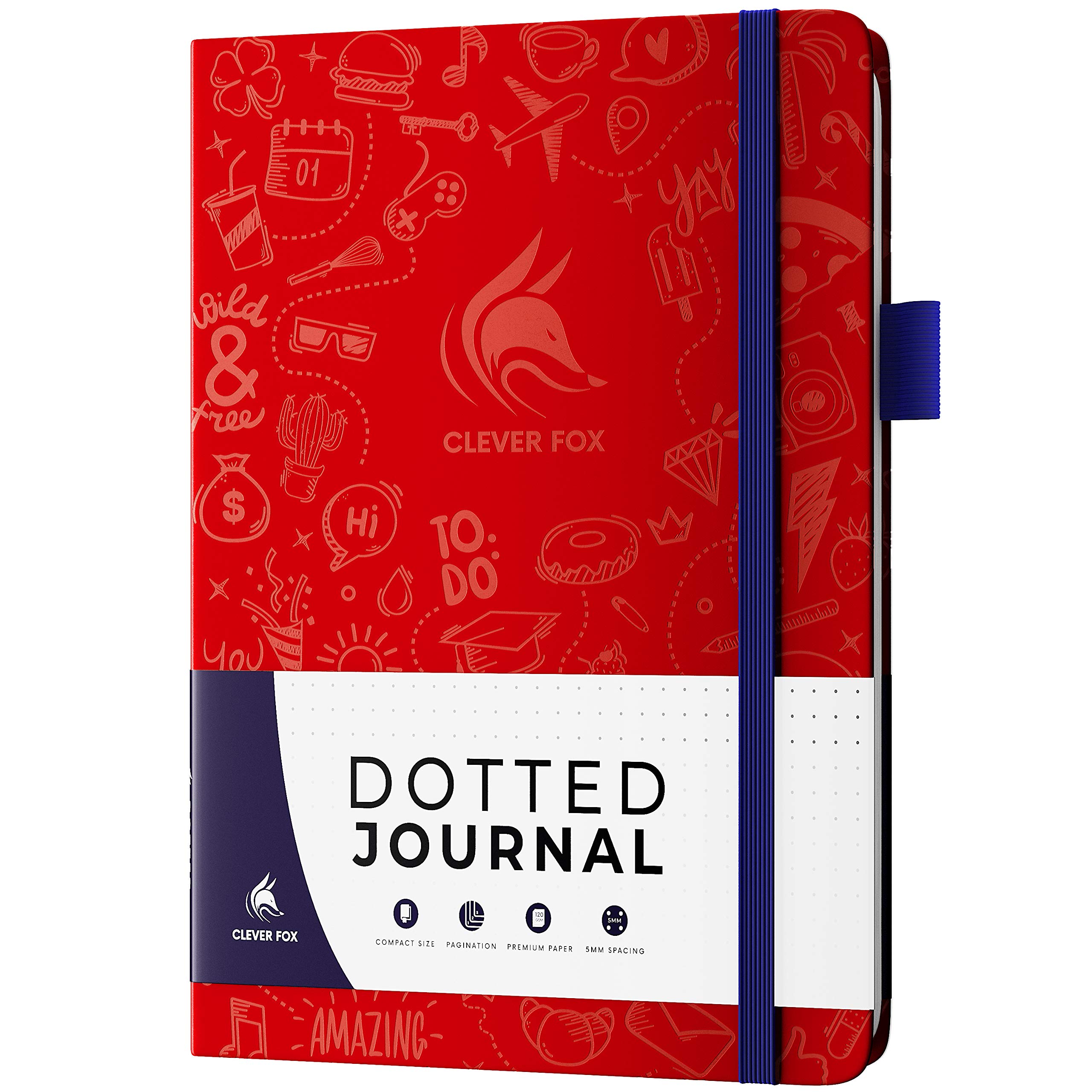
- The lay-flat binding and thick paper make it useful for comfortable writing.
- An A5 format includes a pen loop, elastic band, ribbon bookmarks, and a pocket.
- Numbered pages plus key and index pages help organize entries.
Best Gift For: A family-history researcher who likes to keep notes and sketches in one place.

PILOT G2 Fine Point Green Gel Pens, 12-Pack
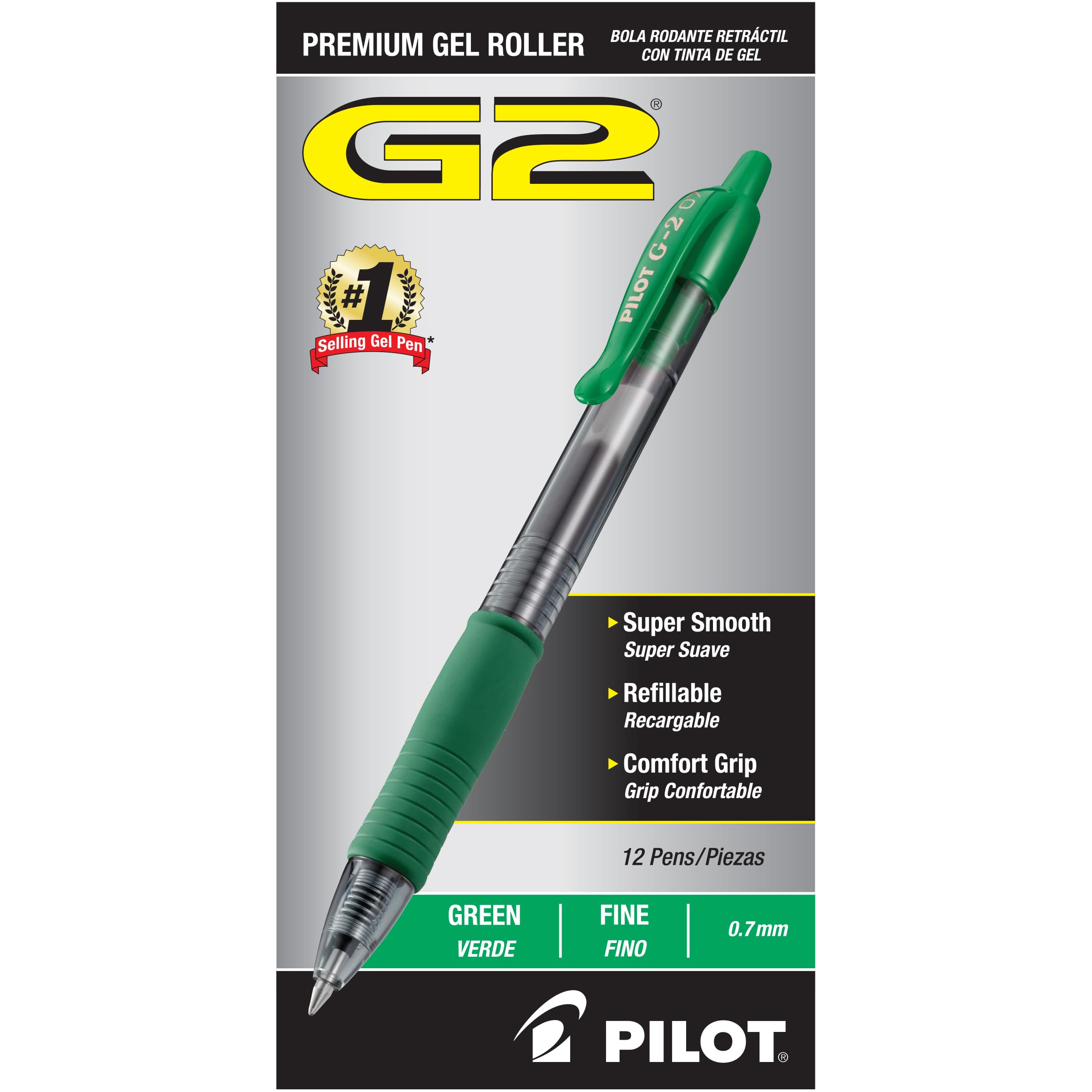
- The fine-point pens use green ink.
- The rubber grip is shaped for support during longer writing sessions.
- The pens are refillable with separately sold Pilot G2 refills.
Best Gift For: A researcher who prefers green ink for notes, lists, or planning.
Phomemo D30 Bluetooth Label Maker with 3 Tapes
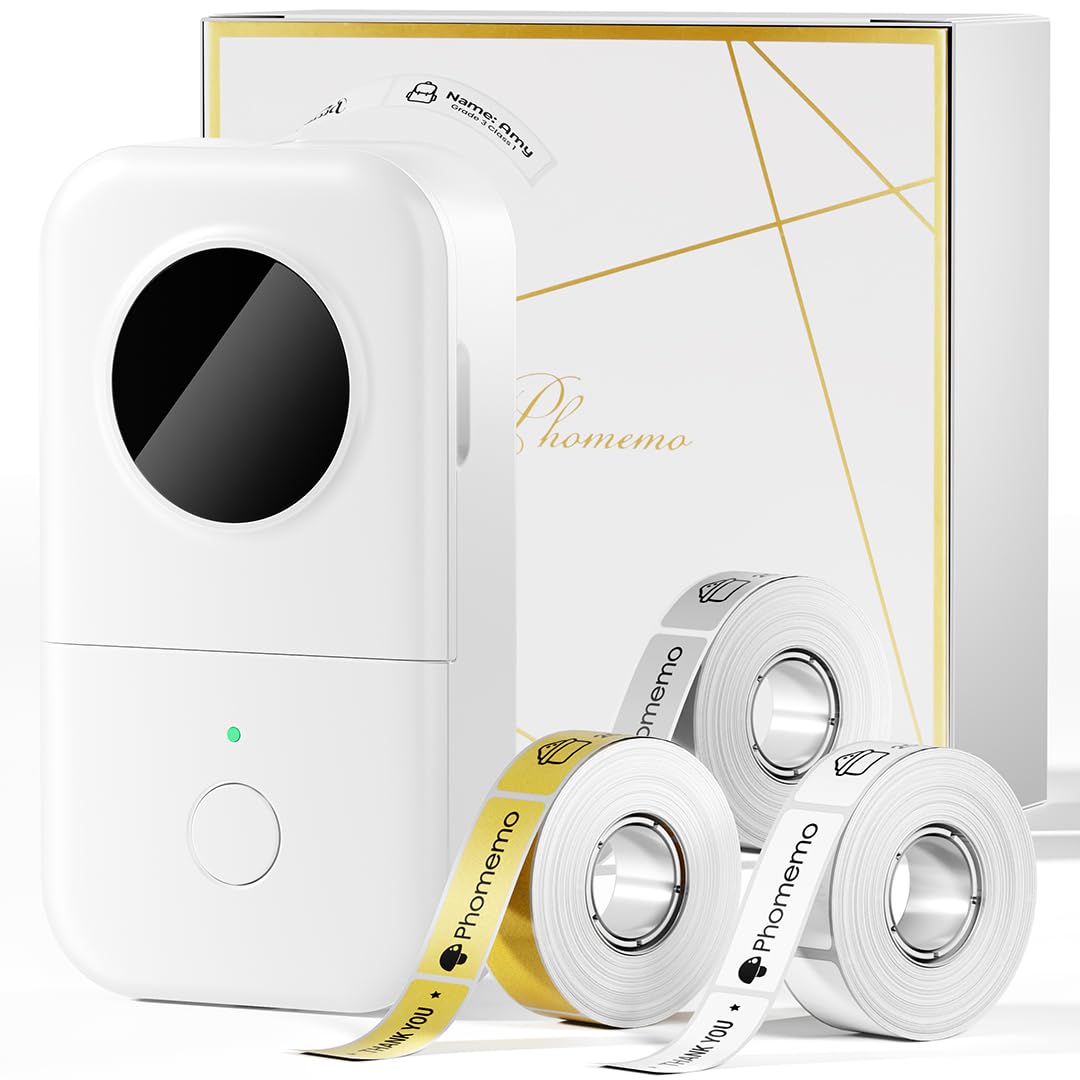
- The set includes three tapes: white, gold, and clear.
- Direct thermal printing works without ink, toner, or ribbons.
- Labels can be created from a smartphone or tablet through Bluetooth.
Best Gift For: A family-history enthusiast who likes to label files, boxes, or keepsakes.
10X Rectangle Magnifying Glass with Light
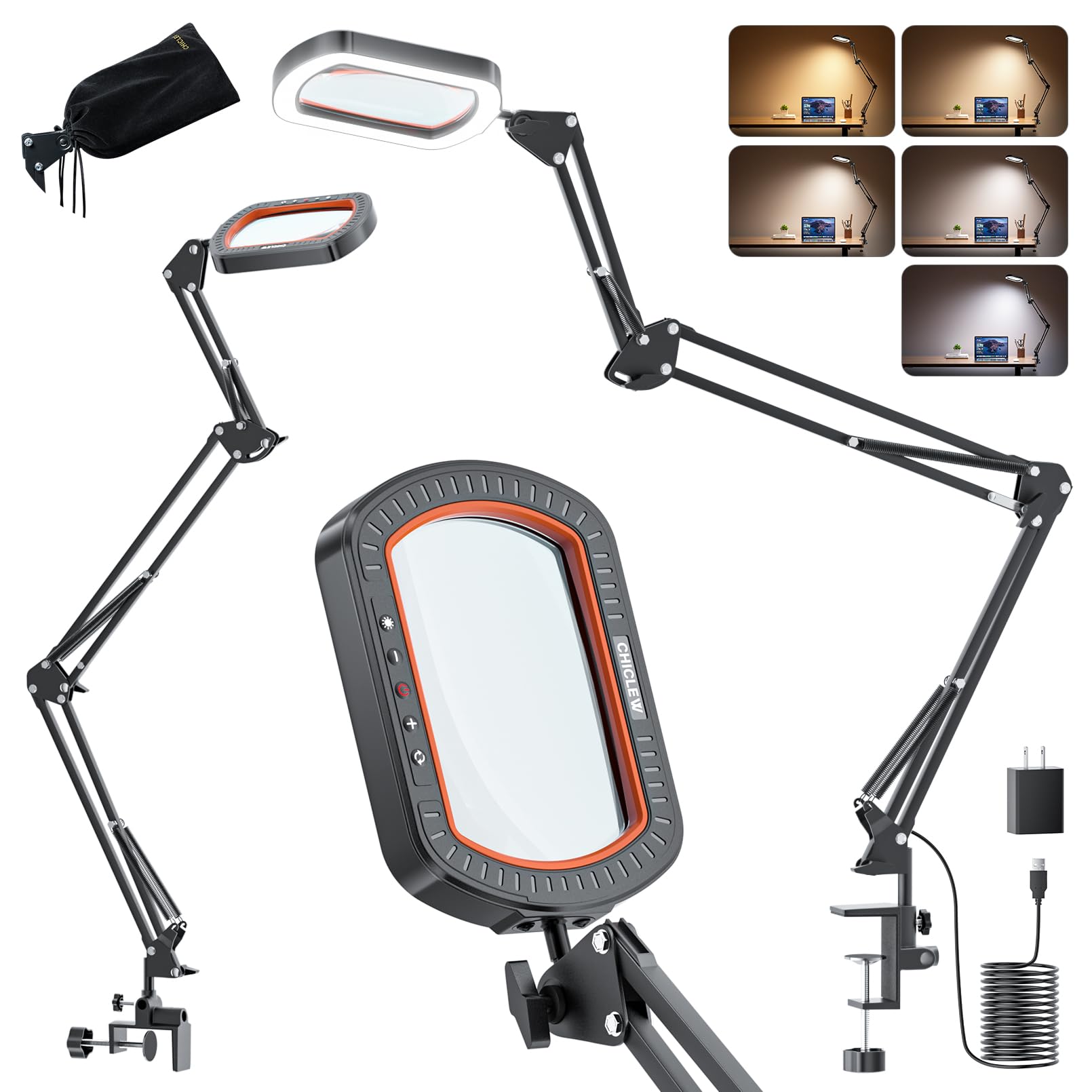
- The magnifier uses a rectangular genuine-glass lens.
- Its clamp attaches to a desk, workbench, or table edge.
- Five color modes and adjustable brightness provide lighting options.
Best Gift For: A family researcher who spends time reading small print in records or documents.
KODAK Dock Plus 4x6 Photo Printer
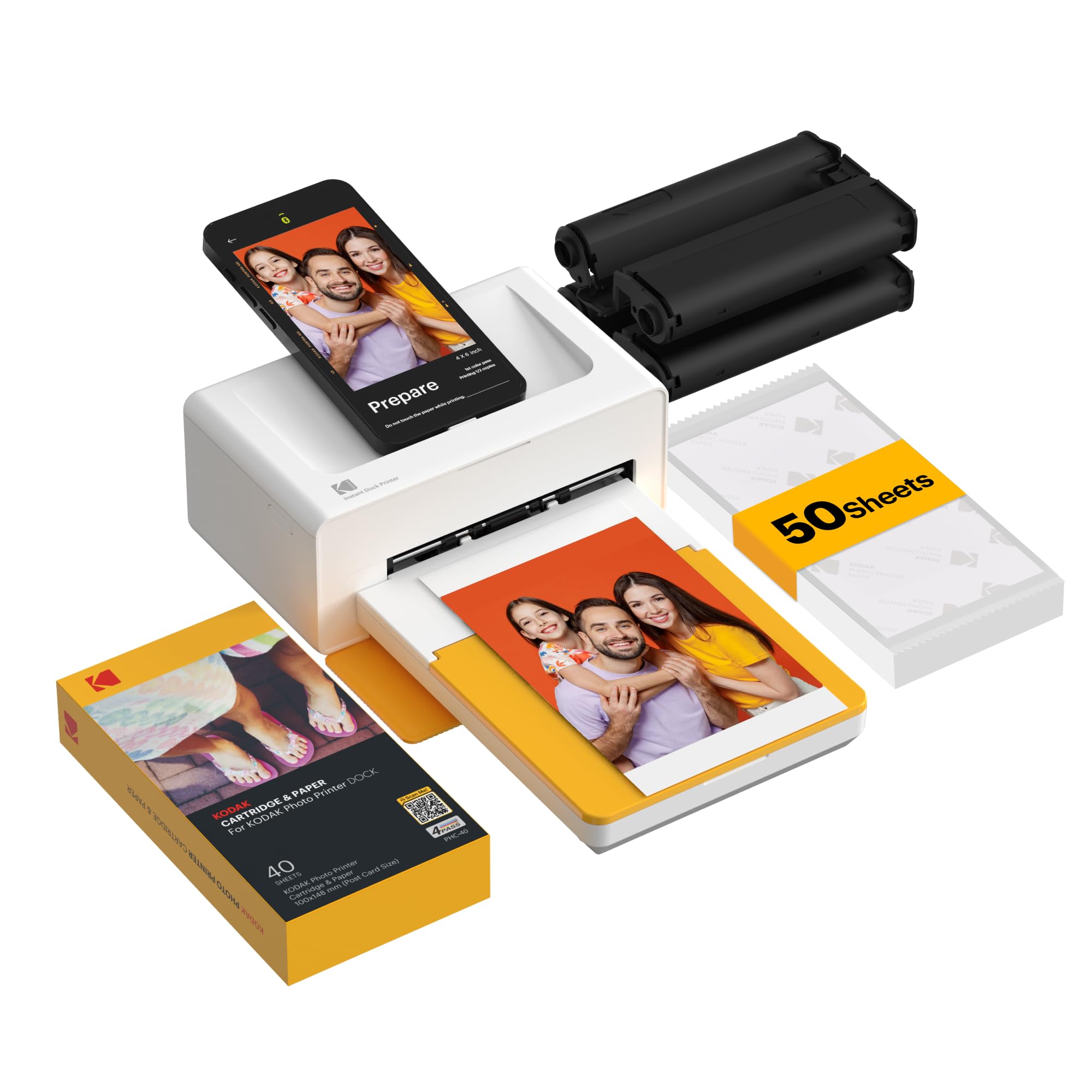
- Prints 4x6-inch photos from compatible smartphones.
- Bluetooth connectivity works with compatible iOS and Android devices through the app.
- The 4PASS process finishes each photo with a clear protective lamination layer.
Best Gift For: A relative who enjoys printing family photos for albums or frames.
ZEEYUAN 5x7 Family Photo Album
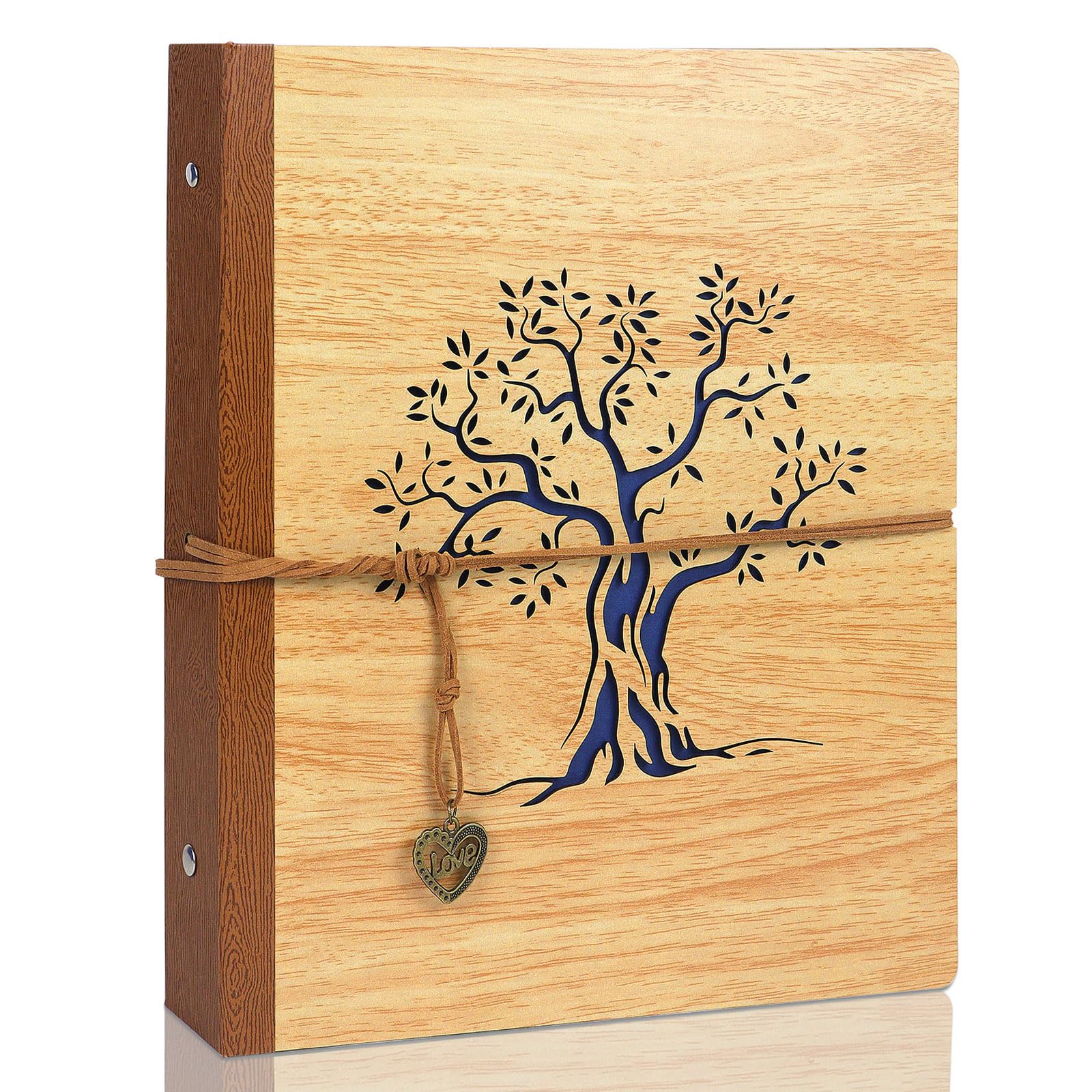
- The album holds 200 horizontal 5x7-inch photos.
- Transparent sleeves display photos on both sides of each page.
- The three-ring binding opens flat and allows page customization.
Best Gift For: A family member who wants to gather generational photos in one album.
Glocusent Rechargeable Neck Reading Light

- Choose among three color temperatures and six brightness levels.
- The adjustable arms let the wearer set a comfortable angle.
- The rechargeable battery provides up to 80 hours for general reading with one head.
Best Gift For: A family-history reader who wants hands-free light for reading in bed or at a desk.
Mr. Pen Black Metal Bookends, 16-Pack
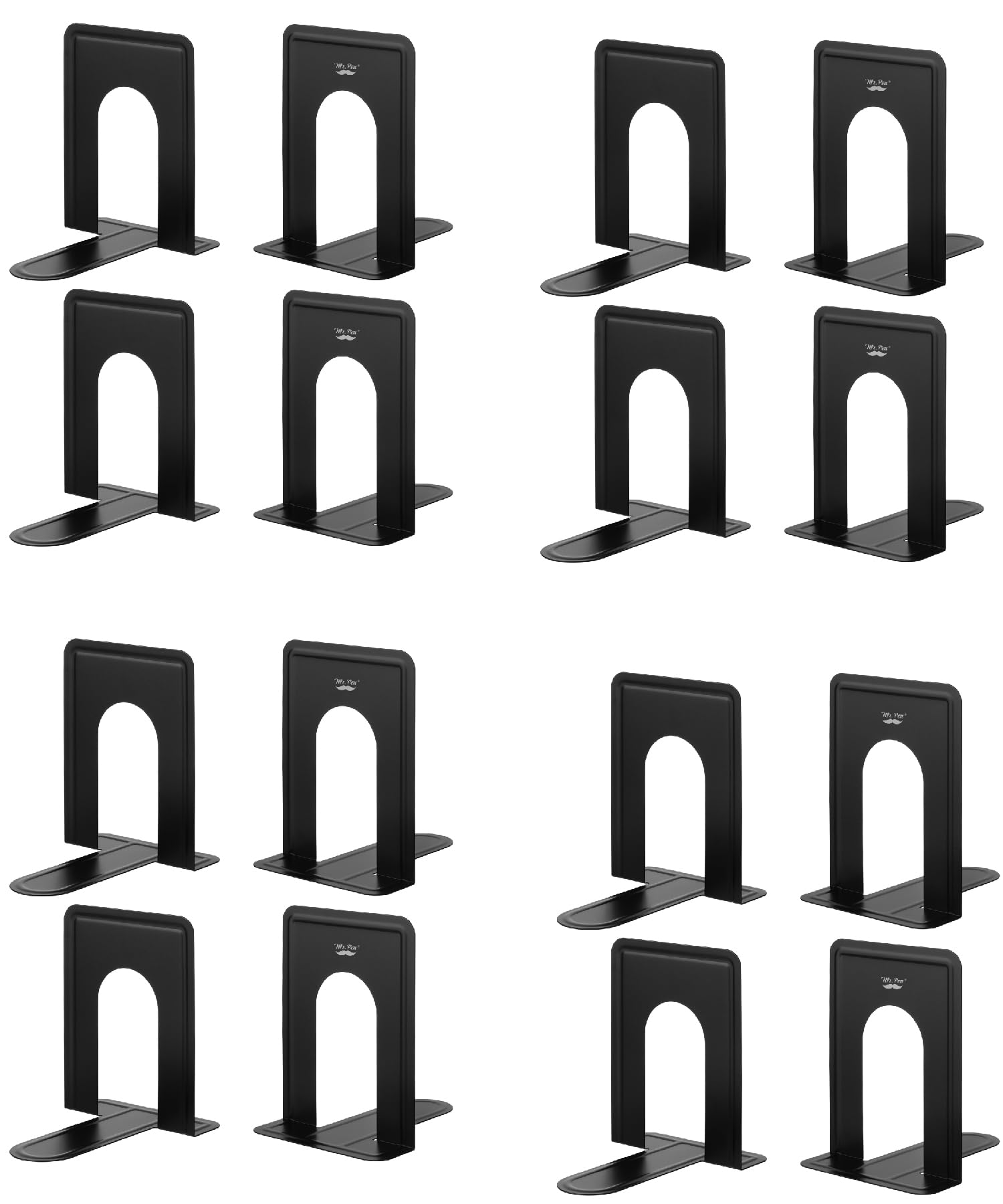
- The set includes 16 black metal bookends.
- Heavy-duty metal bookends help keep shelf contents upright.
- They suit home, office, or classroom shelves.
Best Gift For: A genealogy enthusiast who keeps reference books, files, or binders on shelves.
VASAGLE 6-Tier Bookshelf with Steel Frame
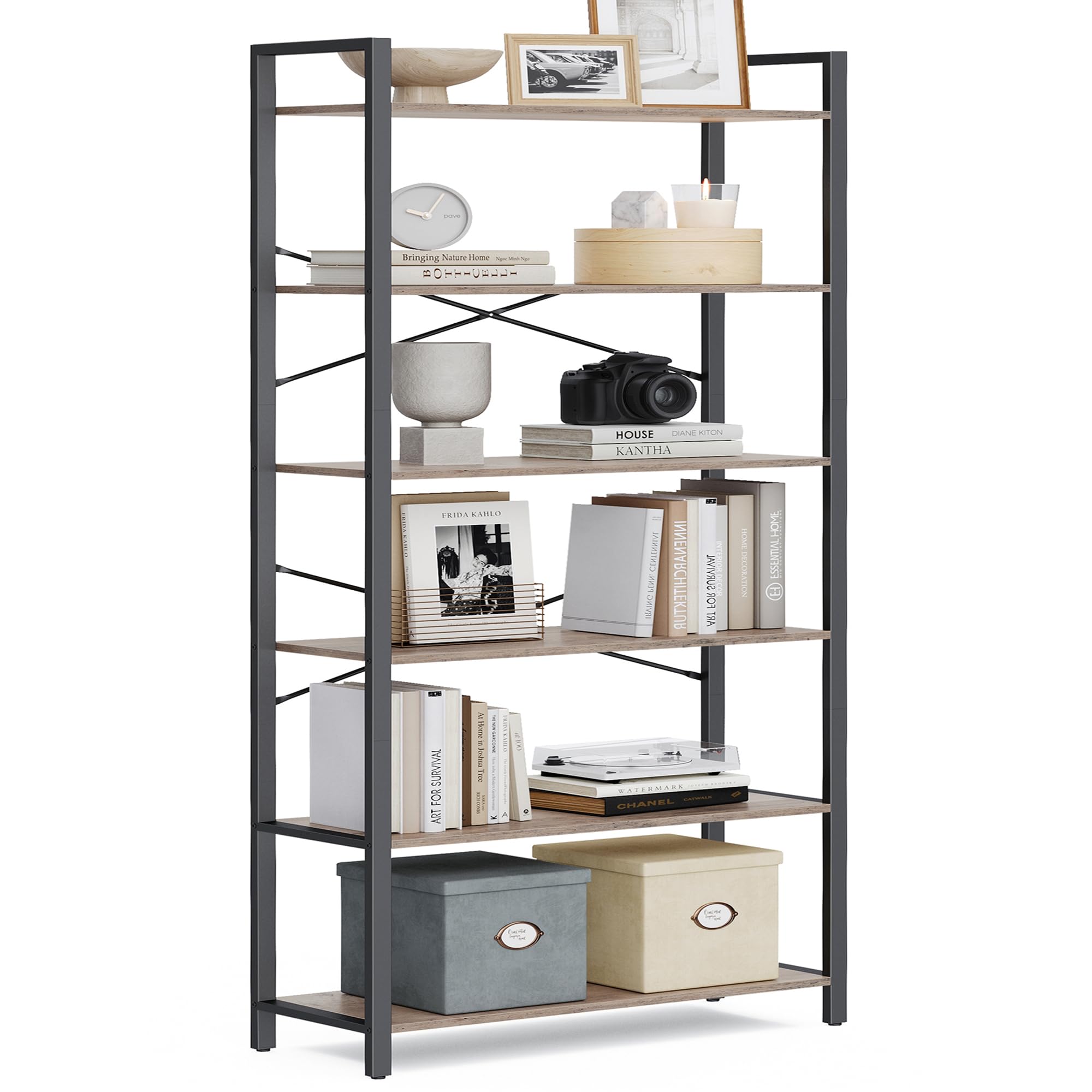
- Six tiers offer vertical storage while taking up little floor space.
- A particleboard and steel-frame construction supports stored items.
- Adjustable feet and an included anti-tip kit help with placement and stability.
Best Gift For: A family-history researcher setting up a home office or study space.
Mr. Pen Aesthetic Magnetic Bookmarks, 12-Pack
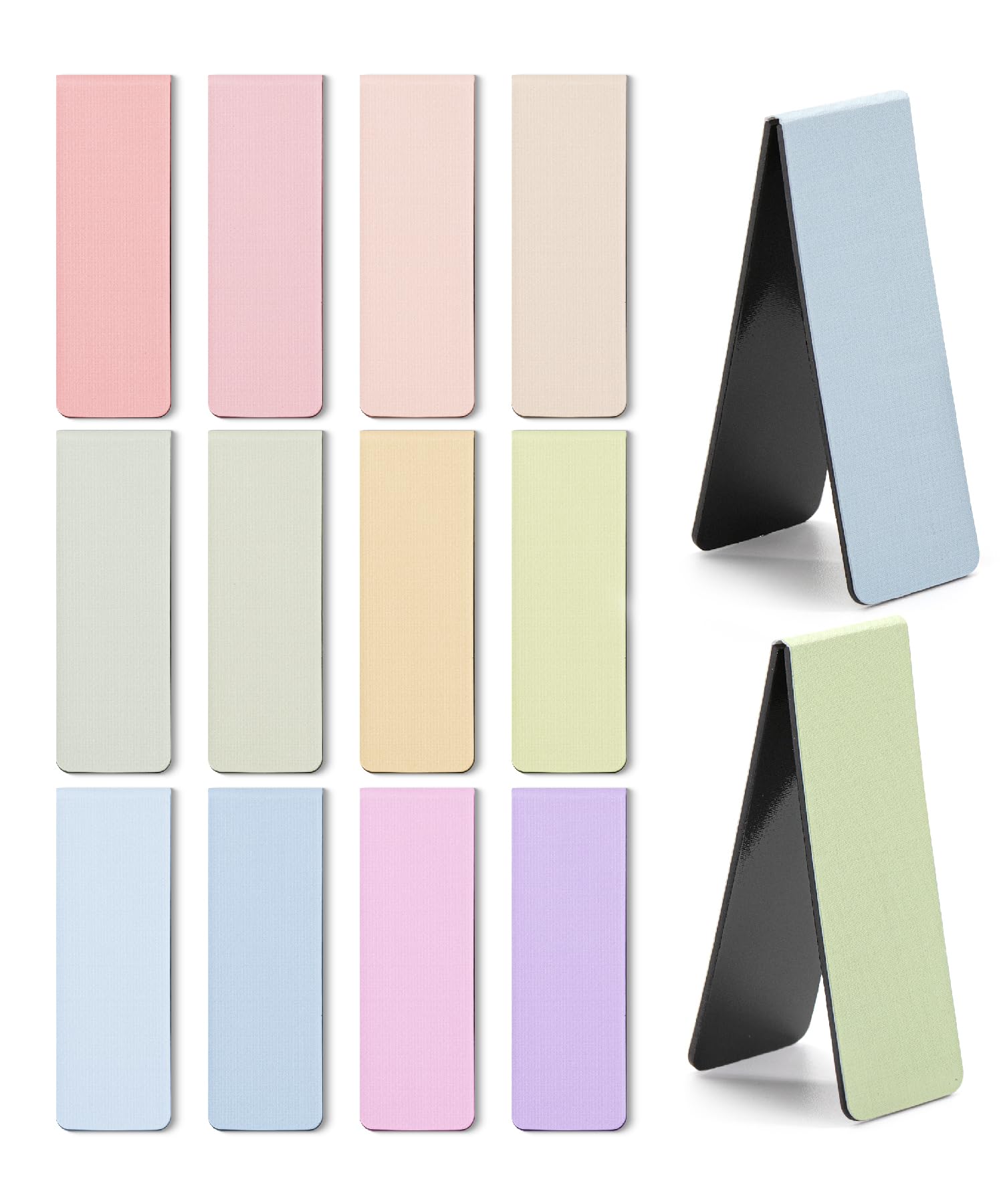
- The set has 12 bookmarks in soft pastel colors.
- Magnetic closures help the bookmarks stay on the page.
- Their slim profile avoids adding bulk to a book.
Best Gift For: A reader or researcher who marks important pages in books, planners, or reference materials.
SONGMICS Adjustable Bed Laptop Desk
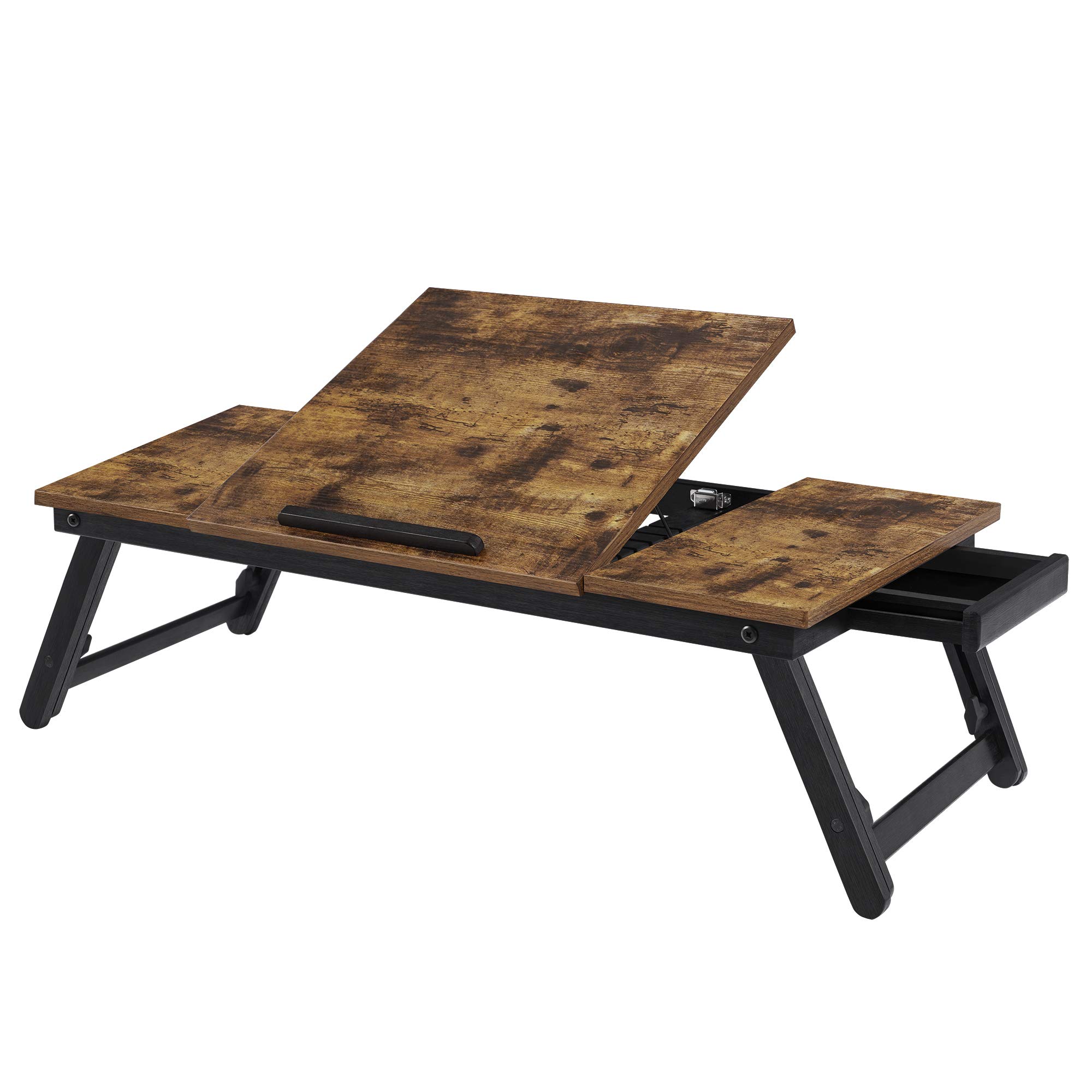
- The tilt top has five angle settings and the legs adjust in height.
- The symmetrical desktop provides mouse space on either side.
- The tilt top can be flattened for other uses, including breakfast in bed.
Best Gift For: A family-history researcher who enjoys reading, writing, or working from bed or a sofa.
Choosing thoughtful gifts for people who love genealogy
When picking gifts for people who love genealogy, think about where their research happens. Someone who works through scanned documents at a desk may appreciate tools for close reading and a place to keep notes, while a relative who gathers stories from family members may value ways to sort names, papers, and photographs.
Notice how your recipient likes to work. A person who writes by hand may enjoy a notebook and pens; someone who relies on digital records may prefer a comfortable setup for reading and organizing.
If you are uncertain, choose an item that supports a familiar habit rather than assuming they need a new system.
Consider the scale of their current project. A researcher building a family archive may welcome an album or shelf organization, while someone just beginning may prefer a smaller, easy-to-use addition to their desk.
Ask a family member what would fit the recipient’s space and routines if you can.
Balancing budget and usefulness
A useful gift can be modest or substantial. Small accessories can complement supplies the recipient already uses, while a larger purchase may make sense when you know it fills a real need.
For gifts for people who love genealogy, consider whether the item will be used regularly or mainly for a special project.
Think about the total setup before choosing. Some gifts work best alongside compatible supplies or devices, so check current product details and compatibility before buying.
A practical accessory may be more welcome than a bigger item that needs extra space or equipment the recipient does not have.
If you are comparing options, keep your budget qualitative and focus on usefulness over size. A small present can still feel considered when it suits the recipient’s habits, and a larger one can be worthwhile when it supports an ongoing family-history project.
Check actual prices before you decide.
Personalizing and presenting the gift
For gifts for people who love genealogy, presentation can connect a practical item to the family story behind it. Add a short note about a relative, place, or photograph that matters to the recipient, or include a prompt for recording a memory alongside their research.
A notebook or album can feel more personal when paired with a handwritten dedication or a few family photographs. If you are gifting an organizing tool, suggest one small first use, such as setting aside a place for reunion pictures or labeling a folder of documents, without dictating how the person should manage their archive.
Wrap the item in a way that leaves room for discovery. A simple card explaining why you thought of the recipient can make even an everyday tool feel connected to their curiosity.
If several relatives are contributing, invite each person to share one memory or a name to investigate.
Making a thoughtful choice when time is short
When time is limited, choose something that matches a known part of the recipient’s routine. If they often read documents, select a comfort or lighting aid; if they share family pictures, consider a way to display or organize them.
Avoid guessing at a complex setup when you cannot confirm what they already own.
Check current compatibility, dimensions, and delivery estimates before placing an order. For gifts involving phones, computers, furniture, or storage, confirm that the recipient’s available space and devices make sense for the item.
Delivery timing can vary, so use the estimate shown at checkout rather than relying on assumptions.
A gift card or handwritten note can accompany a practical present if you want to leave room for the recipient to choose a compatible accessory later. Keep the message specific: mention a family story, research milestone, or gathering you hope they will enjoy documenting.
A final note for family-history gift shoppers
Thoughtful genealogy gifts work best when they support how a person already researches, reads, organizes, or shares discoveries. A small tool can remove friction from a familiar task, while a keepsake can give meaningful photographs and stories a place to live.
Before buying, pause to consider whether the gift suits the person’s space and preferences. Check current details for any item that depends on a particular device or setup, and leave room for the recipient to decide how it fits into their project.
The most memorable choice may be the one that invites a conversation: ask about a family name, bring an old photograph to discuss, or offer time together to sort a box of pictures. That personal attention can make a practical gift feel especially connected to the person’s interests.