The Liene PixCut S1 Color Sticker Printer & Cutting Machine review is for anyone weighing a single-device route from a photo or design to a finished sticker.
It combines color printing and cutting with a mobile app workflow, so it may suit classroom labels, craft projects, and personalized gifts.
Liene PixCut Review Summary
The quick verdict
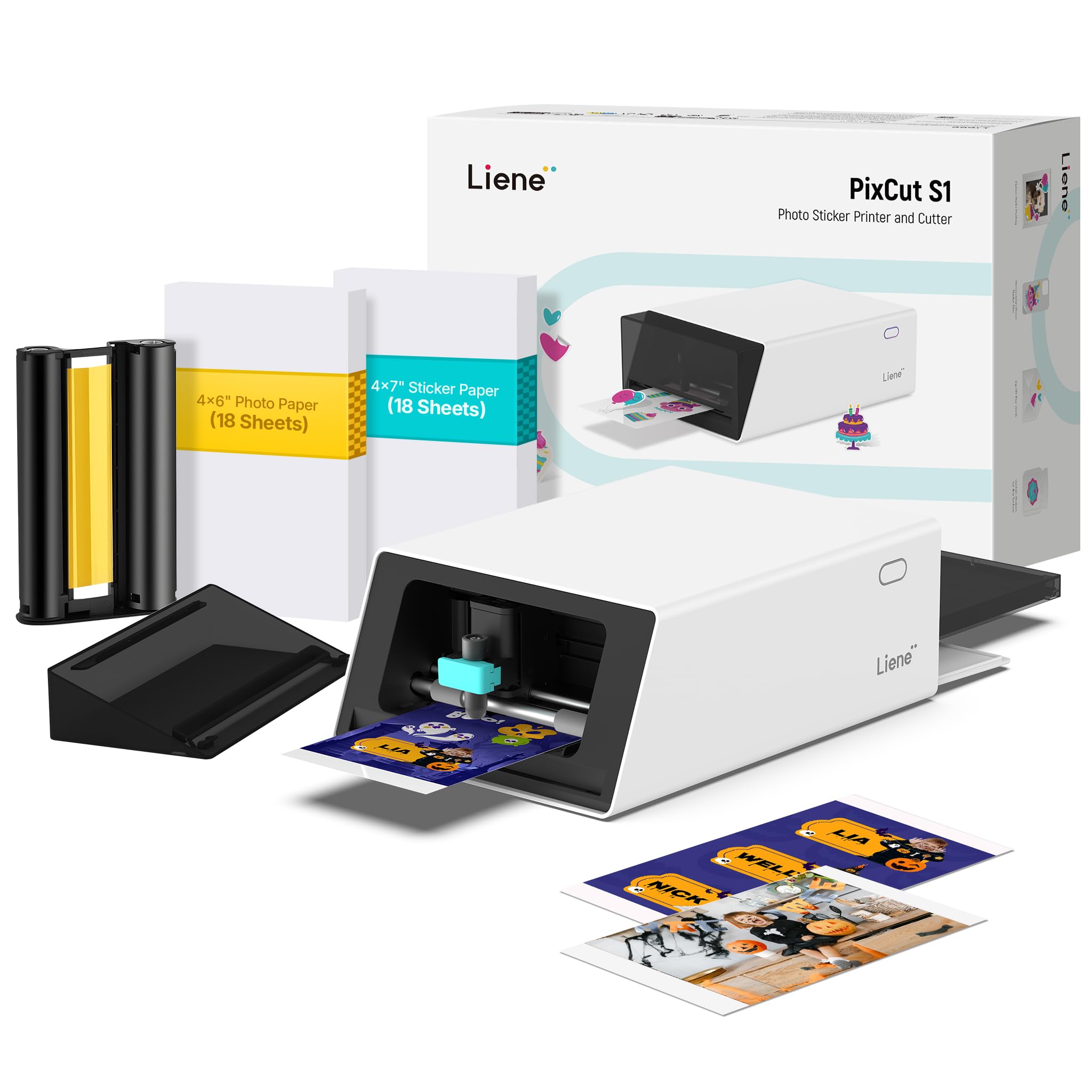
700+ ratings
Read Amazon ReviewsLiene PixCut S1
A fit for crafters, teachers, and families who want to turn phone photos and designs into printed, cut stickers with one compact machine.
- Combines color thermal dye-sublimation printing and die cutting in one machine.
- Print resolution is listed as 300 dpi, with color output described as supporting 16.7 million colors.
- Bluetooth connection enables editing, printing, and cutting through the Liene app on a smartphone.
- AI image extraction is designed to identify a subject in a photo, with cutting guided to follow its edges.

Pros
- Combines printing and cutting for a simpler sticker-making setup.
- AI-assisted subject extraction can help create shaped stickers from photos.
Consider before buying
- Its specialized sticker workflow may be hard to justify if you only need occasional labels or mostly print ordinary documents.
- The process depends on using the Liene app and Bluetooth for phone-based creation, so check that this workflow fits your devices and preferences.
Read the full review summary
The PixCut S1 brings thermal dye-sublimation printing and sticker cutting together in one device.
Its app-based workflow supports editing and printing from a phone over Bluetooth, while AI image extraction is designed to identify a photo subject and guide a cut around it.
The stated 300 dpi resolution, laminated print process, and creative templates make it oriented toward colorful, personalized stickers rather than general household printing.
This setup may appeal to teachers making labels or rewards, hobby crafters producing small batches, and families turning photos into keepsakes.
It is a more specialized choice for people who expect to use its sticker-making workflow; consider how often you will print and whether the machine's included or compatible sticker media meets your plans before committing.
The buying factors
Liene PixCut Scorecard
Editorial scores reflect listed features and buyer fit; they are not laboratory measurements or customer ratings.
Print-and-cut workflow
Printing and cutting are combined in one device, reducing the number of separate steps and machines in a sticker project.
App-based creation
Bluetooth phone editing and printing, along with templates and creative assets, give beginners a guided starting point.
Image-edge cutting
AI subject extraction and guided cutting are useful for turning photos into shaped stickers without manually tracing every outline.
Color detail
The 300 dpi dye-sublimation process is a promising match for colorful photos, illustrations, and labels.
Sticker durability
The four-layer process laminates prints, with waterproof and scratch-resistant properties suited to stickers handled in everyday use.
Project flexibility
Templates and AI art options support varied designs, though the machine is centered on small creative print-and-cut projects.
Key Features and Specifications of Liene PixCut
- Combines color thermal dye-sublimation printing and die cutting in one machine.
- Print resolution is listed as 300 dpi, with color output described as supporting 16.7 million colors.
- Bluetooth connection enables editing, printing, and cutting through the Liene app on a smartphone.
- AI image extraction is designed to identify a subject in a photo, with cutting guided to follow its edges.
- Four-layer dye-sublimation printing automatically laminates the photopaper; the resulting stickers are described as waterproof and scratch-resistant.
- The app offers more than 50,000 free images, fonts, and elements, plus over 10,000 templates, with no subscription required.
- The listed dimensions are 11 by 7.7 by 4.1 inches, and the listed weight is 6.2 pounds.
Pros and Cons of Liene PixCut
Pros
- Combines printing and cutting for a simpler sticker-making setup.
- AI-assisted subject extraction can help create shaped stickers from photos.
- Dye-sublimation printing and automatic lamination are aimed at colorful, durable-looking results.
- A large library of app assets and templates offers starting points for common craft and label projects.
Consider before buying
- Its specialized sticker workflow may be hard to justify if you only need occasional labels or mostly print ordinary documents.
- The process depends on using the Liene app and Bluetooth for phone-based creation, so check that this workflow fits your devices and preferences.
- Before planning frequent or large projects, confirm which media formats and replacement supplies are available and suit your intended output.
Who Should Buy Liene PixCut?
Good fit
Consider the PixCut S1 if you make stickers regularly and value having printing and cutting in one desktop device.
The combined workflow could be useful for classroom reward designs, name labels, journaling decorations, photo keepsakes, and small personalized gifts.
It is especially worth considering if starting with a phone photo is part of your process.
AI subject extraction and app templates may lower the effort of preparing artwork, while the laminated dye-sublimation output is designed for stickers that can handle water and surface scuffs.
Who should skip it
Look elsewhere if your main need is general-purpose document printing or if you expect to produce projects larger or more varied than the sticker-focused workflow supports.
Check the supported media and app workflow against your plans before choosing it for a regular classroom or business routine.
How the Liene PixCut Fits a Sticker-Making Workflow
One device for printing and cutting
Combining these steps can simplify a creative workspace: the design can move from app editing to printed output and cutting without requiring a separate cutter.
That is useful for short projects where setup time matters, such as preparing a few personalized labels or photo stickers.
The claimed two-minute creation time should be treated as a project-specific estimate; design choices and the work involved in preparing each print can vary.
Photo-to-sticker design
AI image extraction is aimed at recognizing a subject and producing a cut that follows its outline. This could make portraits, pets, and other distinct subjects easier to turn into custom shapes than a manually traced design.
For detailed or busy images, previewing the cut in the app before producing a batch is a sensible way to check that the chosen subject and outline suit the intended sticker.
Color output and finish
At 300 dpi, the printer is positioned for detailed color images, labels, and small illustrations. Its four-layer thermal dye-sublimation process laminates the photopaper as part of printing, and the stickers are described as waterproof and scratch-resistant.
Those properties make the finish relevant for items that may be handled, but they do not determine how well a sticker will adhere to every surface or endure every use.
App library and ongoing use
The Liene app combines editing with a large library of images, fonts, elements, and ready-to-use templates, including ideas for labels, name tags, journaling, and phone skins.
The no-subscription approach is appealing for buyers who want built-in design resources without a recurring software fee.
If you plan to rely on a particular template type or create many stickers, check that the app's workflow and available media match your project before buying.
Alternatives to Liene PixCut
No alternative model is recommended here. Compare the design workflow, media, and output that matter to your routine before choosing another option.
Is Liene PixCut Worth It?
The Liene PixCut S1 is worth considering for crafters, teachers, and families who expect to make personalized stickers often enough to benefit from an all-in-one print-and-cut setup.
Its app templates, AI subject extraction, 300 dpi color printing, and laminated output address the core steps in that kind of project.
Buy it when sticker making is a clear recurring need and the app-based process fits how you like to work.
For occasional labels, general printing, or projects with specific media requirements, verify the supported supplies and workflow first; the value of this machine depends on using its specialized creative features.
Your review at a glance
700+ ratings
Read Amazon ReviewsLiene PixCut S1
A fit for crafters, teachers, and families who want to turn phone photos and designs into printed, cut stickers with one compact machine.
- Combines color thermal dye-sublimation printing and die cutting in one machine.
- Print resolution is listed as 300 dpi, with color output described as supporting 16.7 million colors.
- Bluetooth connection enables editing, printing, and cutting through the Liene app on a smartphone.
- AI image extraction is designed to identify a subject in a photo, with cutting guided to follow its edges.